
How to Start a Food Truck Business and Build a Loyal Customer Base

A food truck can look simple from the sidewalk. A window opens, orders go out, and people gather around good food. Behind that window, though, is a real business with tight timing, local rules, equipment choices, food costs, weather risks, and customers who need a reason to come back.
The good news is that a food truck is also one of the most flexible ways to enter the food business. You can test a menu without opening a full restaurant, move toward better foot traffic, serve events, and build a brand one customer at a time.
Starting strong means doing the unglamorous work early. Research the market, choose a clear niche, plan your numbers, handle permits, buy the right equipment, and create a menu that people remember. Then keep showing up consistently enough that customers start looking for you.
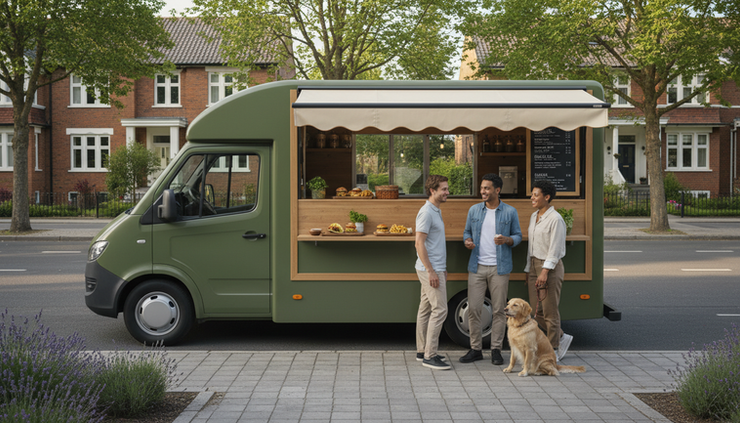
Research the market before you choose a niche
Before buying a truck or designing a logo, spend time watching the local food scene. A great concept solves a real customer need. It also fits the places where people already gather.
Start by studying three things.
Who is already selling nearby
Visit food truck parks, farmers markets, breweries, college areas, downtown lunch zones, festivals, and late-night spots. Look at the types of food being offered, the price points, the size of the lines, and the speed of service.
Do not copy what works. Look for gaps. If every event has tacos and burgers, maybe there is room for hand pies, rice bowls, grilled cheese with regional twists, loaded baked potatoes, Filipino barbecue, vegan comfort food, or breakfast sandwiches made for commuters.
Who your customers might be
Different crowds need different menus. Office workers may want quick lunch combos. Families at weekend markets may care about kid-friendly portions. Nightlife areas may reward bold, filling food. Fitness events may support lighter options. Factory and warehouse areas may need hearty meals that travel well.
Match the concept to the customer’s moment. A delicate tasting menu may fail at a crowded concert. A fast, comforting, easy-to-hold item may sell better.
What customers are willing to pay
Food trucks usually have lower overhead than restaurants, but that does not mean pricing is easy. Fuel, labor, insurance, permits, repairs, packaging, commissary fees, and event fees add up quickly.
Look at local menu boards and note common price ranges. Then test whether your planned item can sell within that range while still leaving room for profit.
A useful niche sits at the overlap of four things:
Customer demand
Clear difference
Operational fit
Profit potential
People already want this type of food or experience.
The concept is specific enough to be remembered.
The food can be cooked, held, served, and cleaned up in a small space.
Ingredients, prep time, and pricing leave enough margin.
A broad idea like “sandwiches” is harder to remember. A sharper idea like “pressed Cuban-inspired sandwiches with house pickles and plantain chips” gives people something to talk about.

Build a business plan and learn the rules early
A food truck business plan does not need to be fancy. It needs to answer clear questions before money starts moving.
Write the plan in plain language. Treat it as a working document, not a school assignment. It should help you make decisions when costs rise, equipment breaks, or a location underperforms.
Include these core pieces:
Your concept and niche
Target customers and best service times
Sample menu and pricing
Startup costs
Monthly operating costs
Sales goals
Staffing plan
Supplier list
Parking and service plan
Marketing plan
Backup plans for weather, repairs, and slow days
Startup costs vary by market and truck condition. A used truck may cost less up front but need repairs. A new build may cost more but offer better layout and reliability. Either way, leave room in the budget for surprises. Food trucks are mobile kitchens, and mobile kitchens shake, heat up, cool down, and wear out.
Your plan should also include a simple break-even estimate. Add up fixed monthly costs, such as insurance, truck payment, commissary rent, phone, software, storage, and permits. Then add variable costs, such as food, packaging, fuel, event fees, and hourly labor. This helps you understand how many meals you need to sell before the business pays for itself.
Permits and regulations deserve attention from the start. Rules change by city, county, and state. Some areas require a commissary kitchen. Some limit where trucks can park. Some require fire inspections, health department approvals, seller’s permits, business licenses, food handler cards, or special event permits.
This information is general, not legal advice. Contact your local health department, city clerk, fire department, and state tax agency before you buy equipment or sign contracts.
Ask direct questions, such as:
Where can a mobile food unit legally park and serve?
What licenses are required before opening?
Is a commissary required?
What inspections happen before approval?
Are generators, propane systems, or hoods subject to fire rules?
Are there distance limits near restaurants, schools, or intersections?
What sales tax rules apply to prepared food?
Getting these answers early can save thousands of dollars. For example, buying a truck without the required hood, sink setup, or water tank size can force expensive changes later.

Choose locations and equipment that support your service style
Location can make or break a food truck. Great food in the wrong place often struggles. Average food in a great place may sell for a while, but loyal customers still need quality and consistency.
Look for locations with built-in demand. Good options often include:
Business districts at lunch
Breweries and taprooms
Farmers markets
Apartment communities
College areas
Outdoor concerts
Youth sports complexes
Industrial parks
Private catering events
Food truck rallies
Community festivals
Do not judge a spot only by foot traffic. Watch how people move. Are they walking quickly to work, or are they lingering? Is parking easy? Is there shade or shelter? Can the truck be seen from a distance? Are customers allowed to stand in line without blocking sidewalks or entrances?
Event fees also matter. A busy festival may bring strong sales, but high vendor fees and long service hours can eat into profit. Track each location after service. Record sales, weather, hours, labor, fee, best-selling items, and notes. Over time, patterns will guide your schedule.
Equipment should match the menu, not the other way around. A truck serving smash burgers needs griddle space and ventilation. A coffee truck needs water capacity, power, refrigeration, and workflow around drinks. A pizza truck may need a specialized oven. A bowl concept needs hot holding, cold holding, rice cookers, and fast assembly space.
Before choosing equipment, map the full service process:
Receiving ingredients
Storing cold and dry goods
Prepping before service
Cooking or reheating
Holding food safely
Assembling orders
Packaging
Taking payment
Handing off orders
10. Cleaning during and after service
Small layout problems become big during a rush. If one person must cross behind another for every order, service slows down. If packaging is stored too far from the window, tickets pile up. If refrigeration is too small, you risk running out or making unsafe choices.
Buy the best equipment you can afford for the jobs that matter most. A reliable generator, safe refrigeration, proper ventilation, and a smart cooking layout are not places to cut corners. Used equipment can be a good choice, but inspect it carefully and confirm it meets local requirements.
Develop a menu that stands out and runs smoothly
A unique menu does not need to be huge. In a food truck, a small menu often works better because it keeps prep focused, lowers waste, and speeds up orders.
The best food truck menus are built around a strong core item. That might be tacos, dumplings, barbecue plates, rice bowls, sliders, crepes, empanadas, shawarma wraps, or specialty fries. The key is to make the item recognizable enough to attract people and distinct enough to earn repeat visits.
A good menu balances creativity with control.
Keep the menu short
Three to six main items is often easier to manage than a long list. You can add specials once the base operation runs well.
Use ingredients across multiple items
If roasted chicken appears in a rice bowl, sandwich, and salad, you can buy and prep more efficiently. If every menu item needs different ingredients, waste rises.
Make the items easy to explain
Customers decide quickly at a truck window. Clear names and short descriptions help. Avoid making people ask too many questions before ordering.
Think about how food travels
Many customers eat while standing, walking, sitting outside, or taking food back to work. Choose packaging that protects texture and temperature. Crispy food trapped in steam can turn disappointing fast.
Test before launch
Host a small tasting, pop up at a private event, or cook for a group willing to give honest feedback. Ask simple questions. What would they order again? What felt confusing? Was the portion right? Did the price feel fair? What item would they tell a friend about?
Signature items help customers remember you. Maybe it is a house-made sauce, a smoked chili crisp, a regional family recipe, a seasonal lemonade, or a loaded special that changes monthly. The goal is not to be strange for attention. The goal is to give people a reason to choose you instead of the truck next door.

Market the truck and turn first-time buyers into regulars
Marketing starts before opening day, but it does not require a huge budget. It requires consistency, clear communication, and real connection.
Begin with the basics. Create a name that is easy to say and remember. Make the truck easy to identify from a distance. Keep the menu readable. Post your schedule where customers can find it. If plans change because of weather, mechanical trouble, or a sold-out service, update people quickly.
Partnerships can help build early momentum. Breweries, apartment complexes, local events, schools, charities, and small businesses often need food vendors. A good partnership gives both sides something useful. The host gets food for guests. The truck gets access to a crowd.
Loyalty grows from repeatable positive experiences. People come back when they trust that the food will be good, the wait will be reasonable, and the service will feel welcoming.
Focus on habits that build trust:
Greet regulars by name when possible
Keep popular items consistent
Share accurate service times
Package food neatly
Fix mistakes without making customers argue
Offer occasional limited specials
Reward repeat visits with a simple loyalty card or perk
Ask for feedback and act on common themes
A loyal customer base depends on more than promotion. It comes from doing the ordinary things well, again and again.
Your line can also become part of the experience. If waits are long, set expectations. Call out popular items before they sell out. Keep the pickup area clear. Simple service design helps people feel cared for, even on busy days.
Catering can add stability too. Office lunches, weddings, birthdays, neighborhood events, and private parties can fill gaps between public services. Create a short catering menu with clear minimums, service options, and booking terms. Do not overpromise. A smooth private event can lead to referrals, while a poorly planned one can strain the team.
Track what brings people back. Ask regulars how they found you. Notice which locations produce repeat faces. Save notes about best-selling specials. The better you understand customer behavior, the easier it becomes to plan your week.
Starting a food truck business takes patience, but it does not require perfection on day one. Start with research, build a practical plan, follow local rules, choose equipment that fits the menu, and serve food you can make well under pressure.
Then keep improving. Tighten the menu. Adjust the schedule. Learn from slow days. Thank the people who show up. The trucks that last are not always the flashiest. They are the ones customers can count on when hunger hits and they want something worth coming back for.


Nice Burger Vans